
Why Choose Zinc Die Casting Over Plastic Injection Molding?
When it comes to manufacturing components, engineers face a critical decision: choosing the right material and process. While plastic injection molding has its merits, zinc die casting offers a compelling alternative with numerous benefits that make it a superior choice for many applications. Beyond technical advantages, zinc die casting addresses a growing corporate responsibility to reduce the carbon footprint of it’s products and supply chains. In this blog post, we’ll explore why zinc die casting might be the perfect fit for your next project, focusing on its advantages, environmental impact, and recyclability.
The Advantages of Zinc Die Casting
1. Superior Strength and Durability
Zinc die castings are renowned for their exceptional strength and durability. Unlike plastic components, which can crack or deform under stress, zinc parts maintain their structural integrity even under heavy loads. This makes zinc ideal for applications requiring long-lasting, robust components, such as automotive, aerospace, industrial equipment, and heavy truck. For example, zinc die castings play a critical role in firetrucks, where durability and reliability are paramount. The strength of zinc ensures these essential vehicles can withstand extreme conditions and perform reliably when lives are on the line.

2. Precision and Complexity
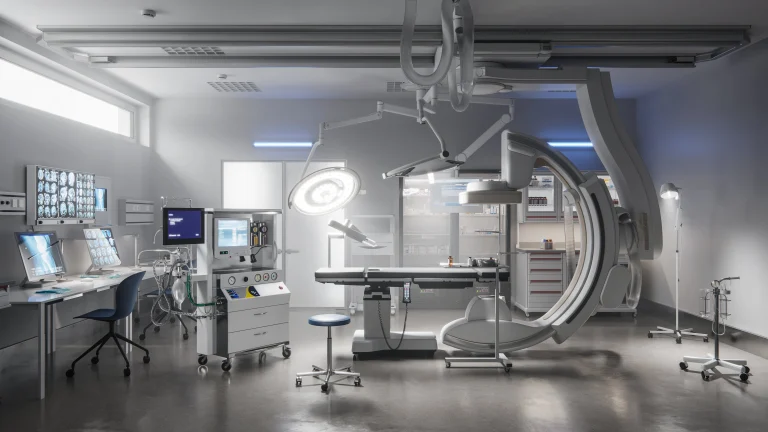
Zinc die casting allows for the production of highly complex and precise shapes. The process can achieve tighter tolerances and thinner walls than plastic injection molding, enabling intricate designs without compromising on strength. For thin-wall applications, zinc die casting can achieve walls as thin as 0.020 to 0.030 inches, compared to plastic injection molding, which typically reaches a minimum wall thickness of 0.040 to 0.080 inches. This thinner capability not only enhances design flexibility but also reduces material usage, further aligning with sustainable manufacturing practices. In the medical device industry, where compact and lightweight designs are critical, thin-wall zinc die castings are invaluable for producing housings, connectors, and intricate components for diagnostic tools and other equipment. This precision reduces the need for secondary machining operations, saving time and costs.
3. Excellent Thermal and Electrical Conductivity
Zinc’s thermal and electrical conductivity far surpasses that of plastic. This property makes zinc components essential in industries where heat dissipation or electrical performance is critical, such as electronics and lighting. Additionally, this makes zinc die castings ideal for the automotive industry, where thermal management and electrical connections are crucial, and for renewable energy sectors like solar and wind, where robust, conductive components are required for efficient energy transfer.
4. Corrosion Resistance
With natural corrosion-resistant properties, zinc die castings are ideal for outdoor and high-moisture environments. This makes them a perfect fit for industries such as marine hardware, outdoor lighting fixtures, and construction equipment where exposure to the elements is a constant challenge. Protective coatings can further enhance this resistance, extending the lifespan of components and ensuring reliability in demanding applications.
5. Exceptional Surface Finish
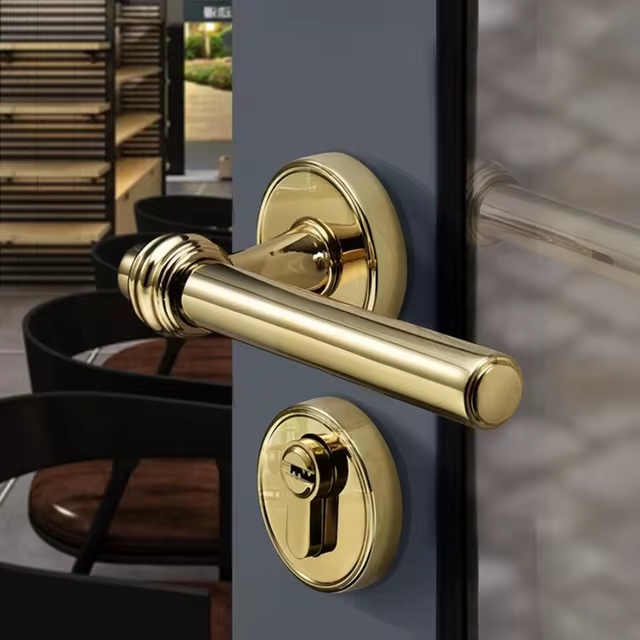
Zinc die cast components are excellent for applications requiring a high-quality surface finish. The inherent properties of zinc allow for smooth, detailed finishes that are ideal for industries such as architectural hardware, decorative fittings, and other products where appearance and precision are paramount.
Environmental Considerations: Zinc vs. Plastic
1. CO2 Emissions
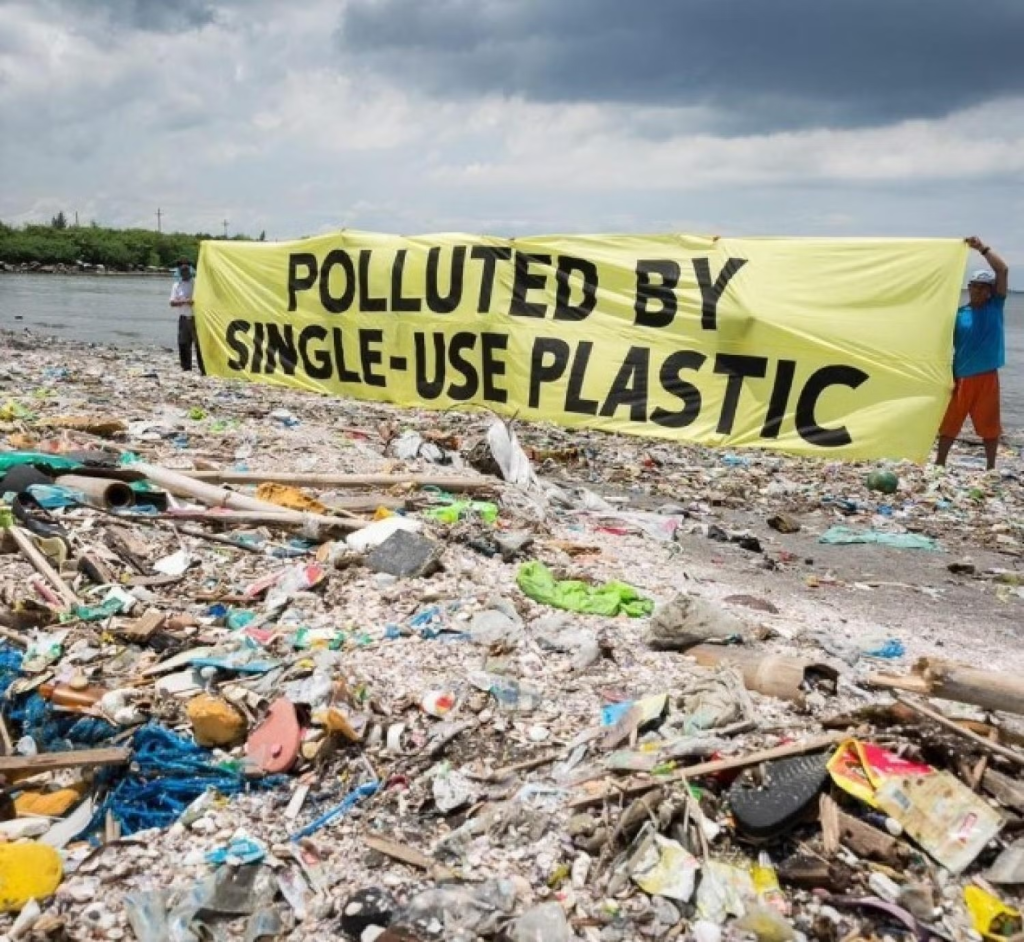
Manufacturing processes have a significant environmental footprint, and comparing the CO2 emissions of zinc die casting and plastic injection molding reveals a clear advantage for zinc. While plastic production relies on petroleum-based materials, contributing to higher greenhouse gas emissions, zinc die casting processes are more energy-efficient. Additionally, zinc’s long lifespan reduces the need for frequent replacements, further minimizing its environmental impact.
In an era where corporations are expected to lead the way in reducing their carbon footprint, zinc die casting offers a tangible path toward sustainability. By adopting zinc over plastic in manufacturing processes, companies can significantly lower the CO2 emissions associated with their supply chains and products, aligning with global environmental goals and consumer expectations.
2. 100% Recyclability
One of zinc’s standout features is its ability to be recycled indefinitely without losing its properties. Scraps generated during the die casting process can be reclaimed and reused, creating a closed-loop system. In contrast, many plastics degrade in quality after recycling and often end up in landfills.
For corporations committed to sustainable practices, zinc’s recyclability provides a practical solution to reducing waste and conserving resources. Incorporating recyclable materials into the supply chain not only benefits the environment but also enhances a company’s reputation as an eco-conscious innovator, meeting increasing demands for greener products.

Why Engineers Should Consider Zinc Die Casting
For engineers, the decision to choose zinc die casting over plastic injection molding should be based on the specific needs of their project. If durability, precision, and environmental sustainability are priorities, zinc die casting is an excellent choice. Additionally, as industries increasingly prioritize eco-friendly practices, zinc’s recyclability and lower CO2 emissions align with these goals.
Zinc die casting also provides unmatched versatility. Its ability to create intricate designs and deliver high-quality surface finishes opens up opportunities in diverse industries—from automotive and aerospace to consumer electronics and architectural hardware. Moreover, the long-term cost efficiency of zinc die casting, due to reduced material waste and minimal secondary operations, makes it a cost-effective solution for complex projects.
Finally, zinc’s inherent reliability ensures product consistency, which is critical for engineers striving to meet exacting standards in their designs. When performance, aesthetics, and sustainability are paramount, zinc die casting emerges as a forward-thinking choice.
Conclusion
Zinc die casting offers a powerful combination of performance, precision, and sustainability. By choosing zinc over plastic, engineers can create components that not only excel in functionality but also contribute to a greener future. Its ability to deliver high-quality surface finishes, exceptional strength, and intricate designs makes it an invaluable material for a wide range of industries. Additionally, as global demand for environmentally conscious manufacturing grows, zinc’s 100% recyclability and lower CO2 emissions position it as a sustainable choice for the future.
At ABCO Diecasters, we take pride in providing tailored zinc die casting solutions to meet the unique needs of our clients. Whether you’re developing industrial components, decorative hardware, or precision electronics, our expertise ensures that your designs come to life with unmatched quality and efficiency. Contact us today to explore how zinc die casting can elevate your projects and support your commitment to innovation and sustainability.