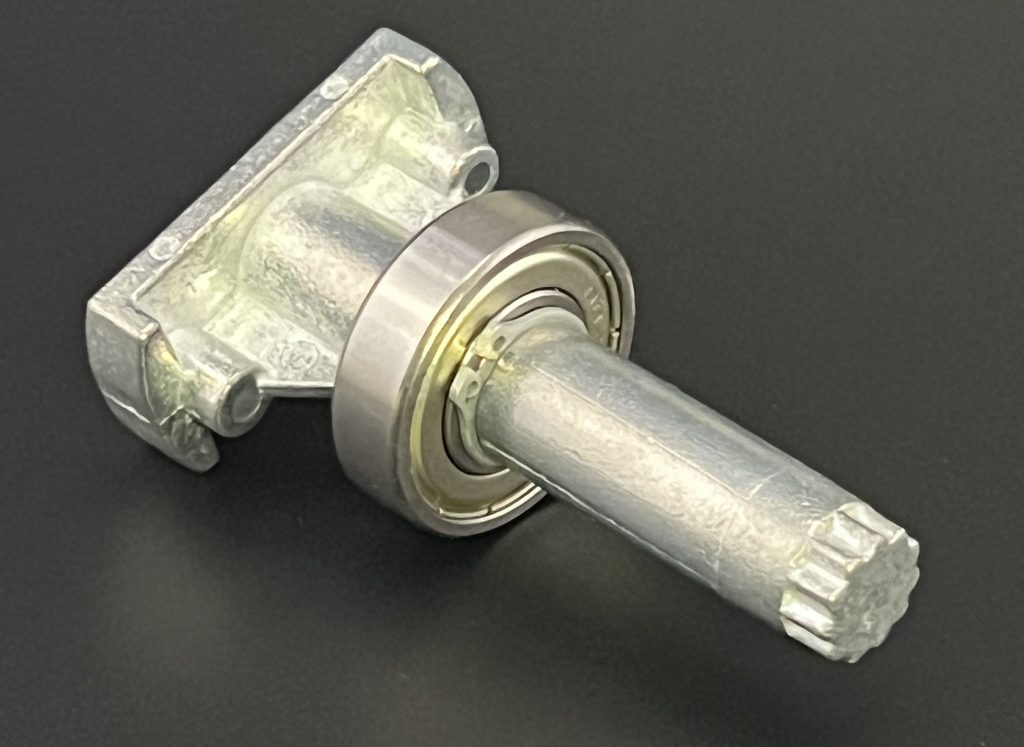



PRODUCING HIGH QUALITY ZINC CASTINGS SINCE 1971

ZINC DIE CASTING | PRECISION MACHINING | POWDER COATING

Experts in Zinc Die Casting

WHO WE ARE

We Are A Full Service Turn Key Zinc Die Casting Manufacturer With The Secondary Operations Required To Provide Finished Parts To Customers.

Years in Business
0 +

What we do

Zinc Die Casting

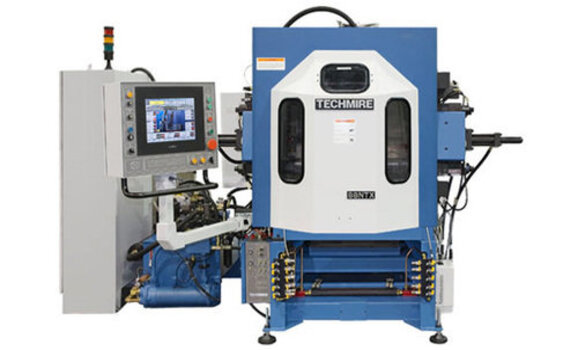
ABCO employs both conventional and multi-slide die casting techniques to meet a diverse array of customer needs. This allows us to manufacture intricate castings with tight tolerances using our extensive range of die-casting machines. Consequently, we have the capability to produce parts ranging from just a few ounces to as large as 8 pounds.

Our Capabilities

die casting capabilities

Conventional die casting

Conventional die casting involves four primary steps: injection of molten zinc, solidify metal, ejection of finished part, and quenching. Lubricant is sprayed into the mold cavity before closing it and injecting molten metal at high pressure. Once filled, pressure is maintained until the casting solidifies and is ejected. Multiple castings can be produced per process with a multi cavity die..

multi-slide die casting

Multi-slide die blocks are mounted on precise sliders in a tool held together by a cover plate. The independent movement of each slide during opening and closing ensures flexibility and prevents damage. Ejected metal is cleared from the cavity with an air-blast into a padded collection mechanism.

Secondary Manufacturing

secondary operations

Machining

Tolerances of +/- 0.002″ can be achieved straight from the die casting machines but for certain geometries or for very tightly toleranced components, we can customize a secondary machining process to meet your most stringent accuracy demands. Our CNC equipment can hold tolerances of +/- 0.001″.

Powder Coating

We have many different formulations of powder available for a variety of end users. At ABCO we use polyester, epoxy, metallic, and a variety of other thermosetting powders. These coatings deliver a smooth file when cured that exhibits good adhesion, corrosion protection, and resistance to chipping and scratching. We coordinate with various powder coat suppliers to create custom color matches for all of your coating needs.

assembly

We offer the flexibility to supply your product either fully assembled or as a complete kit, tailored to your specific needs. By providing these options, we aim to streamline your logistics processes and reduce associated costs. This approach ensures that you receive a ready-to-use product, minimizing the time and effort required on your end, and enhancing overall efficiency in your supply chain operations.

Advantages of Zinc Die Casting

Strength

Zamak, an alloy of zinc, aluminum, magnesium & copper is very strong compared to aluminum and requires less material to reach the same strength

Accuracy

When heated to it's melting temperature, Zamak becomes very fluid allowing for tight tolerance parts right out of the die casting machine.

Machinability

Zamak is also a great choice when very high precision is required because the metal has great machinability characteristics.

Surface Finishing

When a finish is properly selected and applied to cast zinc, almost any desired aesthetic characteristic and coating durability can be achieved

Thin Wall Applications

Zinc's superior casting fluidity, strength and stiffness permits the design of thin wall sections for reduced weight and material cost savings.

Faster Cycle Times

Die casting production rates of zinc are much faster than for aluminum or magnesium

Message from the President

WELCOME TO ABCO

Hello, and welcome to ABCO! We’re thrilled to have the opportunity to assist you. Our team is dedicated to delivering top-quality services and products while prioritizing customer satisfaction. We truly believe in going above and beyond to provide customized solutions that meet your unique business needs and goals.

Rest assured that we value your business, and we’re excited to help you achieve success. You can count on us to offer reliable and cost-effective services that will exceed your expectations. If you have any questions or would like to learn more about our services, please don’t hesitate to get in touch. Thank you for considering us for you next project. 

Joe Vitollo,

President of ABCO Diecasters Inc.

Chairman – NADCA: North American Die Cast Association

Where our castings are used

INDUSTRIES WE SERVE

Medical

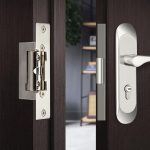
Door Hardware

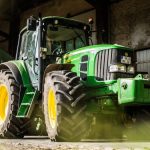
Agriculture

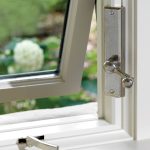
Window Hardware

Heavy Truck

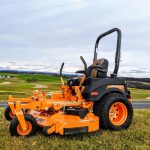
Lawn & Garden

and many more!

Our Blog

Frequently Asked Questions

Please contact us for additional information.

What is Machining?

CNC machining is a manufacturing method where computer software guides the movement of tools and machinery in a factory. This technique offers advantages such as reliable production, faster speed, and improved safety measures. CNC machining reduces labor expenses, minimizes waste, and enhances productivity. It can be applied to control various sophisticated machinery, including grinders, lathes, mills, and CNC routers.

Can Zinc be Machined?

Complex parts are frequently first made using die-casting and then undergo machining to add important details. This helps to decrease both the time and cost of CNC machining. The automotive sector heavily relies on CNC machined zinc alloys.

Is machining required in Zinc Die Casting?

One of key advantages of zinc casting is the ability to hold tight tolerances.  In some cases as tight as +/- 0.001″. However based on certain part geometries or for extremely tight tolerances, CNC machining is utilized to reach precise and exact specifications. 

What are the different types of CNC Machines?

The mostly commonly used CNC machines in metal cutting are Mills & Lathes.  The main difference between a CNC lathe and a CNC mill is the way the machine and the part rotate. A CNC lathe rotates the workpiece or bar stock against the cutting tools to make a shape. By contrast, in a CNC mill, the cutting tools rotate around the bar stock. This difference is subtle, yet they allow each machine to create particular objects or make particular cuts with speed and efficiency.

Is Zinc easy to Machine?

Zinc Alloy Castings have good machinability – providing high quality and productivity over a wide range of machining conditions. Long tool life, low cutting forces, good surface finish and small chip formation are easily achieved.

What is Zinc Die Casting

Die casting is a method in which molten metal is injected into a mold under intense pressure. The mold consists of two solid steel dies that function similarly to an injection mold. Die casting typically involves the use of non-ferrous metals like aluminum, copper, zinc, lead, pewter, magnesium, and tin alloys. The specific machine, either hot or cold-chamber, is selected based on the type of metal being cast. For traditional zinc die casting, hot chamber casting machines are employed.

What are the advantages of Zinc Die Casting?

Zinc is the metal of choice for die-casting because of its flexibility, versatility, and ease of casting. It outperforms aluminum and magnesium in terms of cost reduction and precision. Zinc possesses outstanding physical and mechanical characteristics, resulting in top-notch finishing that meets the demanding requirements of customers. With its transformative influence on the die-casting procedure, zinc delivers remarkable dependability and effectiveness.

What is Hot Chamber Die Casting?

Hot chamber die casting is a technique where materials with low melting points, such as zinc, are utilized to safeguard the gooseneck and nozzle. The machine consists of two components: a stationary cover die and a mobile ejector die on a platen. The molten metal is injected into the mold under intense pressure, and it remains there with the aid of a plunger until it solidifies. Subsequently, the molded part can be manually extracted or ejected using the ejector die and pins.

What are Zinc Casting Alloys?

Zamak is a family of alloys with a base metal of zinc along with the alloying elements of aluminum, magnesium, and copper. Zamak alloys are part of the zinc aluminum alloy family:  they are distinguished from other ZA alloys because of their constant 4% aluminum composition.  The name Zamak is an acronym of the German names for the metals of which the alloys are composed: Zink (Zinc), Aluminum, Magnesium and Kupfer (Copper)

What Industries use Zinc Die Castings?

Zinc die casting is widely used across a variety of industries due to its strength, precision, and cost-efficiency. Industries such as medical, appliances, hardware, agriculture, and heavy trucks rely on zinc die casting for components that demand durability and intricate detailing. Its versatility also makes it ideal for custom designs in both high- and low-volume production. Whether it’s creating complex medical device parts or rugged hardware components, zinc die casting delivers reliable performance and high-quality results.

What is Powder Coating

The process of electrostatic powder coating is employed to put a dry coating of powder onto metal surfaces. This is achieved by using electrostatic attraction to charge the powder particles and guide them towards the metal surface, which is grounded. The charged particles are attracted to the surface and stick to it, creating a consistent and long-lasting coating that is resilient against scratches, rust, and fading.

What are the advantages of Powder Coating?

Powder coating is a durable and cost-effective method for enhancing products that offers many advantages. A couple of the top benefits are exceptional durability and longevity to withstand the harshest of environments.   Powder coating is also environmentally-friendly, producing little waste and reducing emissions. This method produces high-quality, damage-resistant products and is populate in many industries including automotive, agricultural, and appliance to name a few. To learn more about the advantages and the process please click the link above. 

What Industries use Powder Coating?

Powder coating is used across many industries whose products are exposed to harsh environments. Some of the most common are Agricultural, Construction, Appliance, Architectural, Automotive, HVAC, Lawn & Garden, Window Hardware, just to name a few.

Is Powder Coating Eco-Friendly?

Powder coating is an eco-friendly way to color metal. The powder adheres to the metal through an electrical charge, so no solvents are used. VOCs, which are dangerous to the environment, are not used in powder coating. Traditional liquid paints often contain VOCs. Powder coating has a cleaner environmental footprint, which allows you to produce parts with a clear conscience.

Is Powder Coating less expensive than Paint?

Powder coating is a cost-effective and efficient alternative to traditional painting. It requires less manual labor, raw materials and generates less waste, resulting in reduced costs for resources and disposal. Powder bases can be stored for later use without extra costs, making it convenient. Powder coatings are also quick to apply, reducing downtime and labor costs without compromising quality. This makes it an exceptional choice for clients seeking a fast and cost-effective project execution while maintaining excellent results.

Scroll to Top