
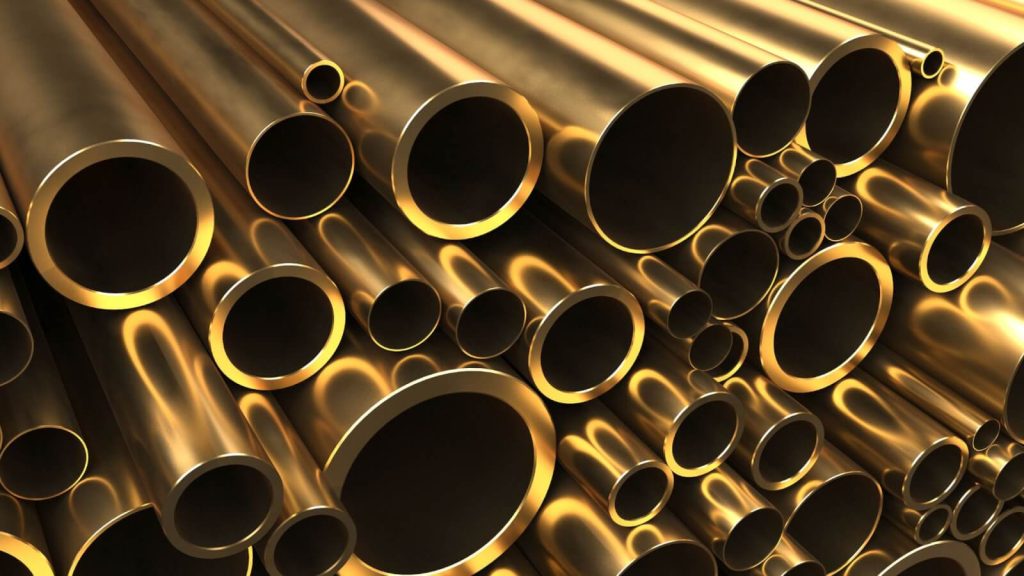
Global industries are entering a critical new era. With the explosive demand for AI data centers, electric vehicles (EVs), renewable energy, and massive tech infrastructure projects, raw material markets are shifting dramatically. At the heart of this shift is copper — a metal now facing historic demand pressure. Since brass is a copper-heavy alloy, manufacturers relying on brass are increasingly vulnerable to rising costs and potential shortages.
In contrast, zinc—the primary component of Zamak—offers a strategic alternative. Zinc provides consistent pricing, design flexibility, and environmental advantages without the looming supply risks tied to copper.
Now is the time for manufacturers to rethink material choices.

Industries That Should Consider Switching from Brass to Zinc
Forward-thinking companies across multiple sectors are already making the switch:
-
Architectural Hardware: Locks, handles, decorative trims
-
Automotive Components: Emblems, interior trim, small housings
-
Plumbing Fixtures: Faucet parts, valves, water meter components
-
Consumer Products: Appliance handles, electronic device housings
-
Industrial Equipment: Brackets, enclosures, connectors
-
Furniture Hardware: Decorative fittings, support components
Zinc’s precision casting capabilities, combined with its resilience and lower material costs, make it an ideal solution for a wide range of applications.

The Coming Copper Shortage
Copper is essential for electrical conductivity, making it indispensable for the new tech economy. Consider the following forces driving copper demand to unprecedented levels:
AI Data Centers: Projects like “Stargate,” backed by OpenAI, Oracle, MGX, and SoftBank, are planning $500 billion investments into AI infrastructure, dramatically increasing copper demand for data transmission and cooling systems.
Electric Vehicles: EVs use nearly three times as much copper as internal combustion vehicles, with demand projected to skyrocket through 2030.
Renewable Energy: Solar panels, wind turbines, and grid upgrades require vast amounts of copper wiring and components.
U.S. Tech Investment: CEOs from major foreign and domestic tech companies are meeting with U.S. leadership, including President Trump, to discuss expanding manufacturing on American soil — further boosting domestic copper consumption.
The World Bank and International Energy Agency both predict a looming critical copper shortage by 2026–2027. The result? Copper prices are likely to rise significantly — and stay elevated.
How Brass is Affected
Brass is primarily made of copper, meaning its price is directly linked to copper markets. As copper costs rise, brass parts will become significantly more expensive to produce, threatening profit margins across industries that depend on precision castings.
Rising brass prices could force manufacturers into difficult decisions: absorb higher material costs, raise prices for customers, or seek alternative materials

The Zinc Advantage
Unlike brass, zinc die casting services using Zamak alloys are largely insulated from the copper boom. Zinc demand remains tied to traditional sectors like construction and general manufacturing, which are stable but not experiencing the explosive growth seen in the tech and energy sectors.
Key advantages of switching to zinc:
Cost Stability: Zinc prices are historically more stable than copper.
Casting Precision: Zinc allows for tighter tolerances and more complex designs.
Energy Efficiency: Zinc die casting requires less energy compared to brass casting.
Environmental Benefits: Zinc is 100% recyclable and supports greener manufacturing initiatives.
By switching from brass to zinc, manufacturers can shield themselves from future supply shocks while improving their environmental footprint.
Strategic Benefits of Switching to Zinc
Protect Profit Margins: Zinc’s price stability ensures more predictable manufacturing costs.
Future-Proof Supply Chains: Reduce reliance on copper-dominant materials.
Design and Performance Gains: Zinc enables more precise, higher-quality parts.
Enhance Sustainability: Meet growing environmental demands from customers and regulatory bodies.
Smart manufacturers are already making this transition. Those who act now will be better positioned to compete in a rapidly evolving global marketplace.

Future Impacts on Manufacturers Who Delay Material Changes
Companies that delay material transitions may find themselves trapped by rising brass costs, volatile copper markets, and longer production lead times.
As global competition intensifies and environmental regulations tighten, manufacturers who cling to outdated material strategies risk losing market share to more agile competitors who embraced zinc early.
Real-World Example: How Industry Leaders Are Proactively Managing Metal Costs
Leading automotive and consumer product manufacturers have already diversified away from copper-heavy components.
For instance, several major appliance brands have redesigned decorative trim parts and internal components around zinc die casting instead of brass, reducing raw material costs by as much as 30% while achieving finer aesthetic details.
These proactive companies are insulating themselves from future copper price spikes — a move smaller manufacturers should mirror now before market pressures intensify.
Conclusion: Secure Your Competitive Advantage with ABCO Die Casters
As copper markets tighten and brass costs climb, switching to zinc is no longer just a smart move — it’s a necessary one.
Contact ABCO Die Casters today to learn how we can help you transition to zinc and future-proof your manufacturing operations.