
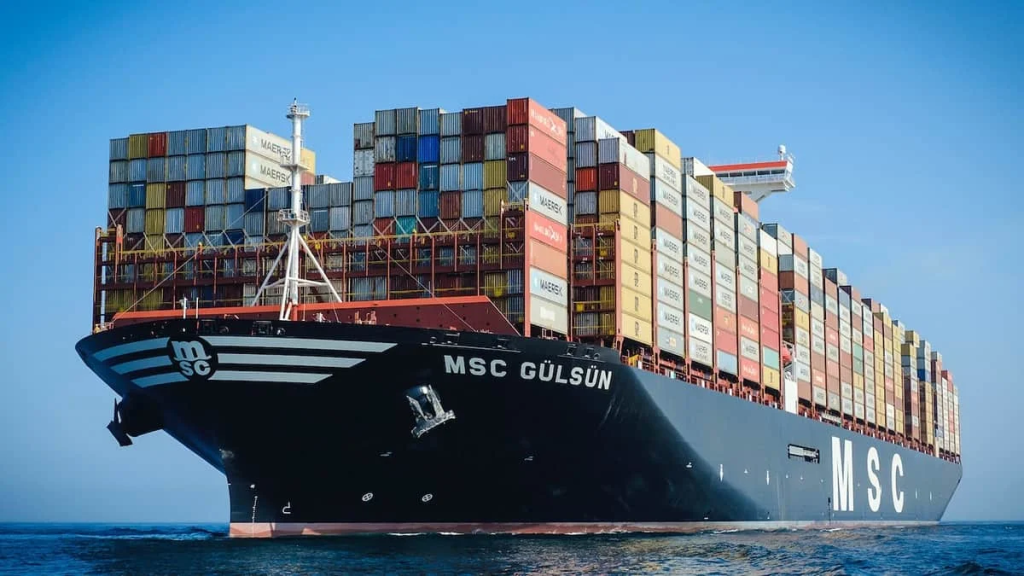
In today’s global economy, many companies are drawn to low-cost countries like China for their manufacturing needs. The allure of cheaper labor and established supplier networks can make overseas sourcing seem like an easy decision. However, focusing solely on the initial cost per unit can be misleading. Businesses that overlook total landed costs—the comprehensive cost of getting a product to its final destination—may end up paying more than anticipated. Additionally, the inventory carrying costs associated with long supply chains can further erode potential savings.
For industries like zinc die casting, where precision, consistency, and cost-effectiveness are crucial, it is important to consider the true costs of sourcing overseas. ABCO Die Casters, a zinc die casting company based in New Jersey, has taken a proactive approach to remain competitive with low-cost countries by embracing automation and robotics. This early adoption of advanced manufacturing technologies enables ABCO to offer high-quality, competitively priced zinc die cast components domestically, bypassing many of the issues associated with offshoring.
Total Landed Costs: More Than Just Production Expenses
The total landed cost includes every expense associated with producing, shipping, and delivering a product to its final point of sale. It goes beyond the initial manufacturing cost and incorporates shipping, customs duties, tariffs, warehousing fees, and even the risk of supply chain disruptions.
In the context of zinc die casting, these costs can be particularly impactful. Zinc is a durable, recyclable material widely used for parts that require intricate shapes and high strength, such as automotive components, consumer electronics, and hardware. When manufacturing these components overseas, transport costs become significant. Shipping large quantities of metal parts from abroad can lead to considerable expenses, especially for companies that need to meet high demand quickly and reliably.
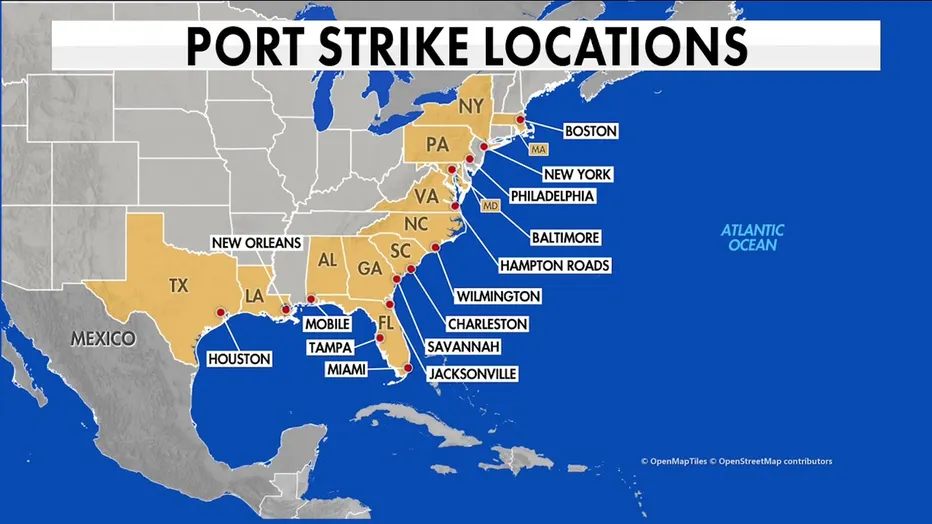
Specific Issues with Offshore Sourcing:
Increased Inventory Levels: Due to long lead times, businesses need to maintain higher inventory levels to meet demand. This excess inventory ties up capital, drives up warehousing costs, and increases the risk of inventory obsolescence. ABCO’s domestic production allows companies to minimize these costs by reducing lead times and the need for excessive inventory.
Risk of Disruptions: Global supply chains are vulnerable to disruptions such as dock worker strikes, fuel price volatility, and natural disasters. These can delay shipments and lead to unexpected costs. ABCO’s New Jersey facility helps minimize these risks by delivering directly from within the United States.
Tariffs and Trade Policies: Fluctuating tariffs, especially in key trade relationships like the one between the U.S. and China, can suddenly increase costs. By keeping production stateside, ABCO’s customers are insulated from these uncertainties.
Environmental Impact: Container ships are significant contributors to carbon emissions. Long supply chains increase a company’s carbon footprint. ABCO Die Casters’ domestic production capabilities help companies reduce their environmental impact, which is increasingly important as consumers and regulators focus on sustainability.
Inventory Carrying Costs: The Hidden Expense of High Inventory Levels
Inventory carrying costs are another critical component of total landed costs that companies must consider when evaluating sourcing options. These costs represent the expenses associated with storing and maintaining inventory, which can range from 20% to 30% of the inventory’s value.
In the zinc die casting industry, high inventory levels are common when sourcing from overseas due to the long lead times required for shipping. As a result, businesses often face substantially higher carrying costs. ABCO Die Casters offers an alternative: by manufacturing zinc die cast components in New Jersey, ABCO can significantly reduce lead times, enabling companies to keep inventory levels lower.
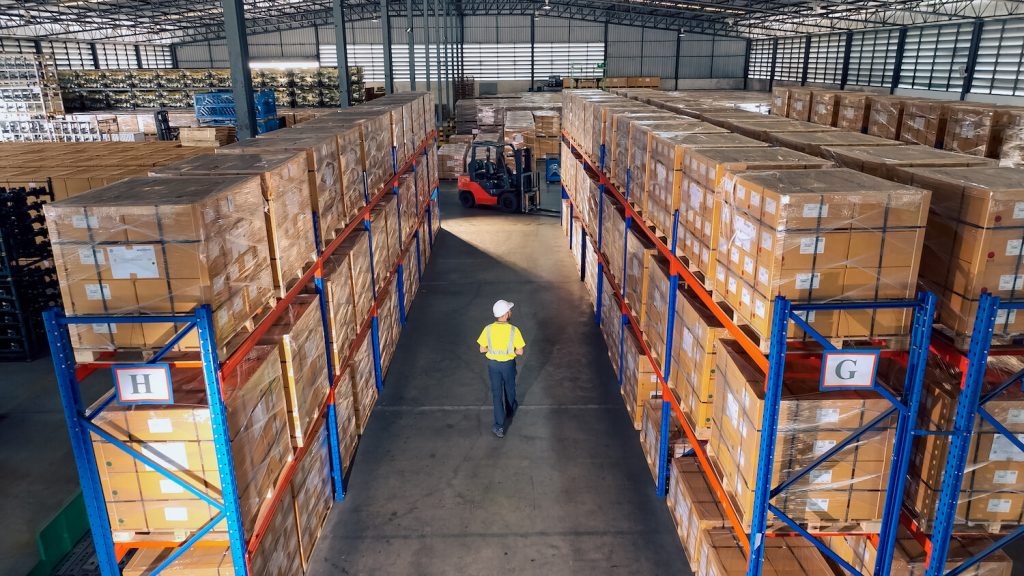
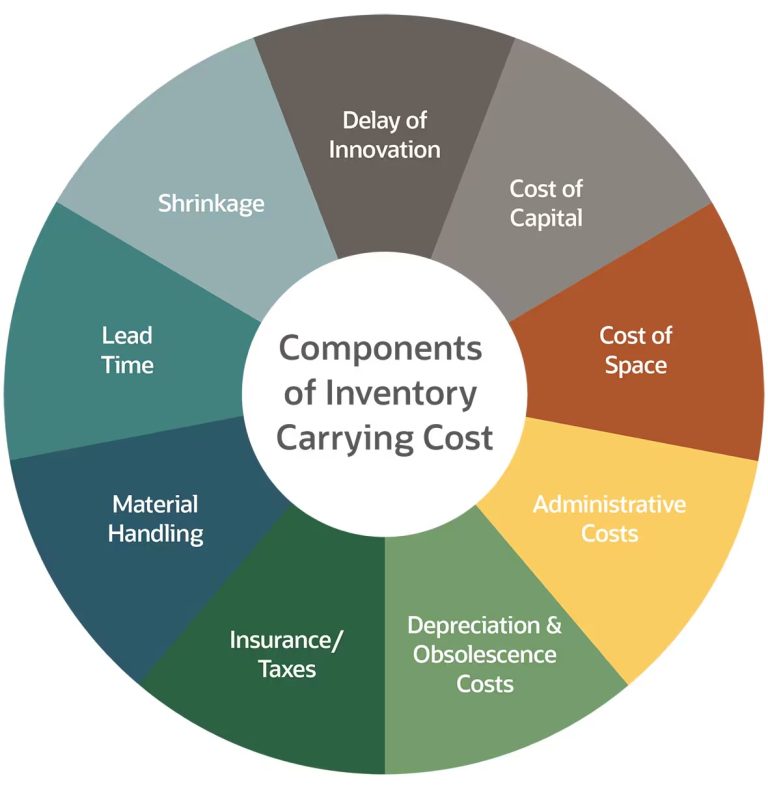
Breaking Down Inventory Carrying Costs
To understand and calculate inventory carrying costs, it’s essential to break them down into four primary categories:
Capital Costs: The opportunity cost of investing capital in inventory rather than using it elsewhere. By sourcing from ABCO, companies can minimize these costs since they don’t need to hold as much inventory to cover long shipping times.
Storage Costs: These are direct expenses associated with warehousing inventory. ABCO’s domestic production allows companies to hold inventory closer to demand points, which can lead to lower storage expenses.
Service Costs: Service costs include insurance premiums to protect inventory and taxes levied on the inventory’s value. Local production can help minimize these as well, as companies need to hold less inventory at any one time.
Risk Costs: Risk costs account for losses due to shrinkage, obsolescence, and perishability. ABCO’s ability to produce and deliver quickly from New Jersey helps companies avoid these risks by maintaining leaner, more responsive inventory levels.
How to Calculate Inventory Carrying Cost Percentage
Calculating the carrying cost percentage provides a more accurate view of the true cost of holding inventory. Here’s how it’s done:
Sum the Total Costs for Each Category: Calculate the total cost for each of the four categories (capital, storage, service, and risk) over a year.
Total Annual Inventory Cost: Add up all the costs from each category to get the total annual cost of holding inventory.
Average Inventory Value: Determine the average inventory value. This is usually the midpoint between the beginning and ending inventory values over the year.
Calculate the Carrying Cost Percentage: Use the formula:
Carrying Cost Percentage = (Total Annual Inventory Cost / Average Inventory Value) × 100
Example Calculation
Let’s say a company has an average inventory value of $500,000 and the following costs over a year:
- Capital Costs: $25,000
- Storage Costs: $20,000
- Service Costs: $5,000
- Risk Costs: $15,000
- Total Annual Inventory Cost = $25,000 + $20,000 + $5,000 + $15,000 = $65,000
- Carrying Cost Percentage = (65,000 / 500,000)×100=13%
In this example, the carrying cost percentage is 13%, meaning that it costs the company 13% of its inventory value annually to hold and manage that inventory. ABCO’s domestic production capabilities help clients reduce this percentage, as faster lead times allow for smaller, more frequent orders and lower average inventory levels.
The Case for Domestic Manufacturing
While domestic manufacturing often comes at a higher labor cost, it offers distinct advantages that may offset these costs over time. By sourcing zinc die cast components from ABCO Die Casters in New Jersey, companies can reduce lead times, allowing them to maintain lower inventory levels and decrease carrying costs. This leaner approach enables businesses to respond more quickly to changes in demand, minimizing the risk of excess inventory and obsolescence.
ABCO also helps companies reduce dependence on complex global supply chains, making them less vulnerable to disruptions like port congestion and trade disputes. Additionally, sourcing locally aligns with sustainability goals, as shorter shipping distances mean lower carbon emissions and less fuel consumption.
Conclusion
The initial savings associated with manufacturing in low-cost countries like China may seem appealing, but businesses must consider the full picture. By evaluating total landed costs, companies can uncover hidden expenses linked to longer lead times, increased inventory carrying costs, and potential supply chain disruptions. ABCO Die Casters provides a viable and strategic alternative, leveraging automation and local production capabilities to help companies minimize risks and reduce costs.
When making sourcing decisions, a comprehensive cost analysis that includes both total landed costs and inventory carrying costs can lead to a more resilient and adaptable supply chain. With ABCO Die Casters, companies can achieve high-quality zinc die casting with the benefits of domestic production, ultimately supporting financial health, operational agility, and long-term growth.
For companies seeking to reduce their overall supply chain costs, ABCO offers free quotes and can help lower expenses related to inventory and associated carrying costs. By partnering with ABCO, businesses can make informed decisions that align with their financial and operational goals, ensuring both cost-effectiveness and supply chain resilience.