
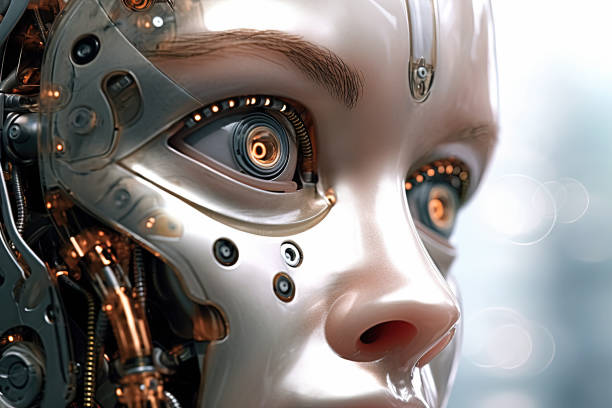
Generative AI is significantly advancing the use of robotics in manufacturing by enhancing automation, improving efficiency, and enabling more flexible and adaptive production processes. Here are some key ways generative AI is impacting manufacturing robotics:
1. Optimizing Design and Production Processes
Generative Design:
Generative AI algorithms can create optimized designs for manufacturing components and products. These designs can be lighter, stronger, and more cost-effective. This allows manufacturers to produce better products while reducing material waste and production costs.
Process Optimization:
Generative AI can analyze production workflows and suggest improvements. By simulating different manufacturing scenarios, AI can identify the most efficient processes, leading to reduced cycle times and increased productivity.
2. Enhancing Robotics Capabilities
Advanced Robotics Programming:
Generative AI can be used to program robots more efficiently. Instead of manually coding each task, AI can generate the necessary code by learning from examples. This speeds up the deployment of robotic systems in manufacturing environments.
Adaptive Control Systems:
Generative AI enables robots to adapt to changes in the production environment. For example, if a robot encounters an unexpected obstacle, it can generate alternative actions to continue its task without human intervention.
3. Predictive Maintenance and Diagnostics
Predictive Maintenance:
Generative AI models can predict when a robot or a piece of machinery is likely to fail by analyzing data from sensors. This allows manufacturers to perform maintenance before a breakdown occurs, reducing downtime and maintenance costs.
Fault Detection and Diagnosis:
AI can generate models to detect anomalies in the functioning of robotic systems. By identifying potential issues early, manufacturers can address them promptly, ensuring smoother operations and reducing the risk of production halts.
4. Improving Quality Control
Automated Quality Inspection:
Generative AI can enhance the capabilities of robotic vision systems, enabling them to detect defects in products with higher accuracy. AI can learn from examples of both defective and non-defective products, improving its ability to identify issues that may not be easily detectable by humans.
Real-Time Quality Monitoring:
Generative AI can be used to monitor the quality of products in real time during the manufacturing process. This ensures that defects are caught early, reducing waste and rework.
5. Facilitating Flexible Manufacturing
Customizable Production Lines:
Generative AI allows for the rapid reconfiguration of production lines to accommodate different products. This is particularly useful for manufacturers who need to switch between different products frequently or produce customized products.
Robotic Process Automation (RPA):
Generative AI can automate repetitive tasks traditionally performed by humans, such as assembly, packaging, and material handling. This increases efficiency and allows human workers to focus on more complex tasks.
6. Enhancing Collaboration Between Humans and Robots
Human-Robot Collaboration:
Generative AI can enable more intuitive and effective collaboration between human workers and robots. For example, AI can help robots understand and predict human actions, allowing them to work alongside humans more safely and efficiently.
Augmented Reality (AR) and Virtual Reality (VR) Integration:
Generative AI can be used in AR and VR systems to simulate manufacturing processes and train human workers. This allows for better planning and training, reducing the learning curve and improving overall productivity.
7. Advancing CNC Programing
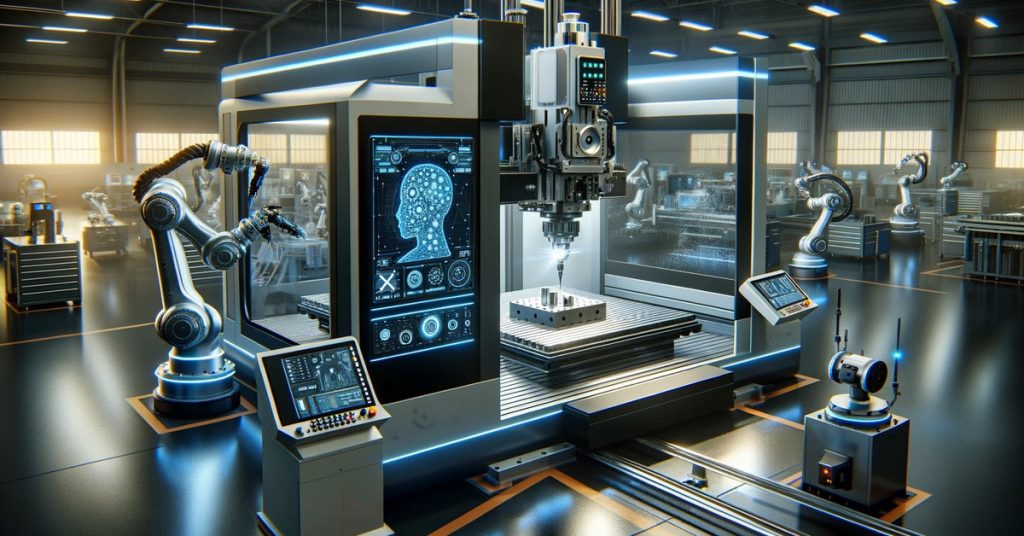
Automated CNC Code Generation:
Generative AI can streamline CNC (Computer Numerical Control) programming by automatically generating G-code (the language used to control CNC machines) from CAD (Computer-Aided Design) models. This reduces the time and expertise needed to program CNC machines, speeding up production and reducing errors.
Optimized Tool Paths:
AI can optimize tool paths for CNC machines, ensuring the most efficient cutting patterns and reducing machine wear and tear. By analyzing material properties and desired outcomes, AI can generate tool paths that maximize efficiency and quality.
Adaptive Machining:
Generative AI can enable CNC machines to adapt to variations in material and environmental conditions. For example, if a material’s hardness varies, the AI can adjust the machining parameters in real time to maintain optimal performance and quality.
Predictive Maintenance for CNC Machines:
Similar to robotics, AI can predict when CNC machines will need maintenance by analyzing operational data. This allows for proactive maintenance, reducing downtime and extending the life of the equipment.
Case Studies and Examples
Siemens: Siemens uses generative design and AI-driven optimization in its manufacturing processes to create more efficient production lines and improve product designs.
BMW: BMW employs AI to monitor and control robotic systems in their factories, improving quality control and predictive maintenance.
GE: General Electric uses generative design to optimize the components of jet engines, resulting in lighter and more efficient parts that are easier to manufacture.
Challenges and Future Directions
Integration with Existing Systems: Integrating generative AI with legacy manufacturing systems can be challenging and may require significant investment.
Data Requirements: Generative AI models require large amounts of data to train, which can be a barrier for smaller manufacturers.
Skills Gap: Implementing and maintaining generative AI systems requires specialized knowledge, which may necessitate additional training for the workforce.
Generative AI is driving significant advancements in manufacturing robotics and CNC programming by enabling smarter, more adaptable, and efficient production processes. As the technology continues to evolve, it promises to further revolutionize the manufacturing industry, leading to increased productivity and innovation.